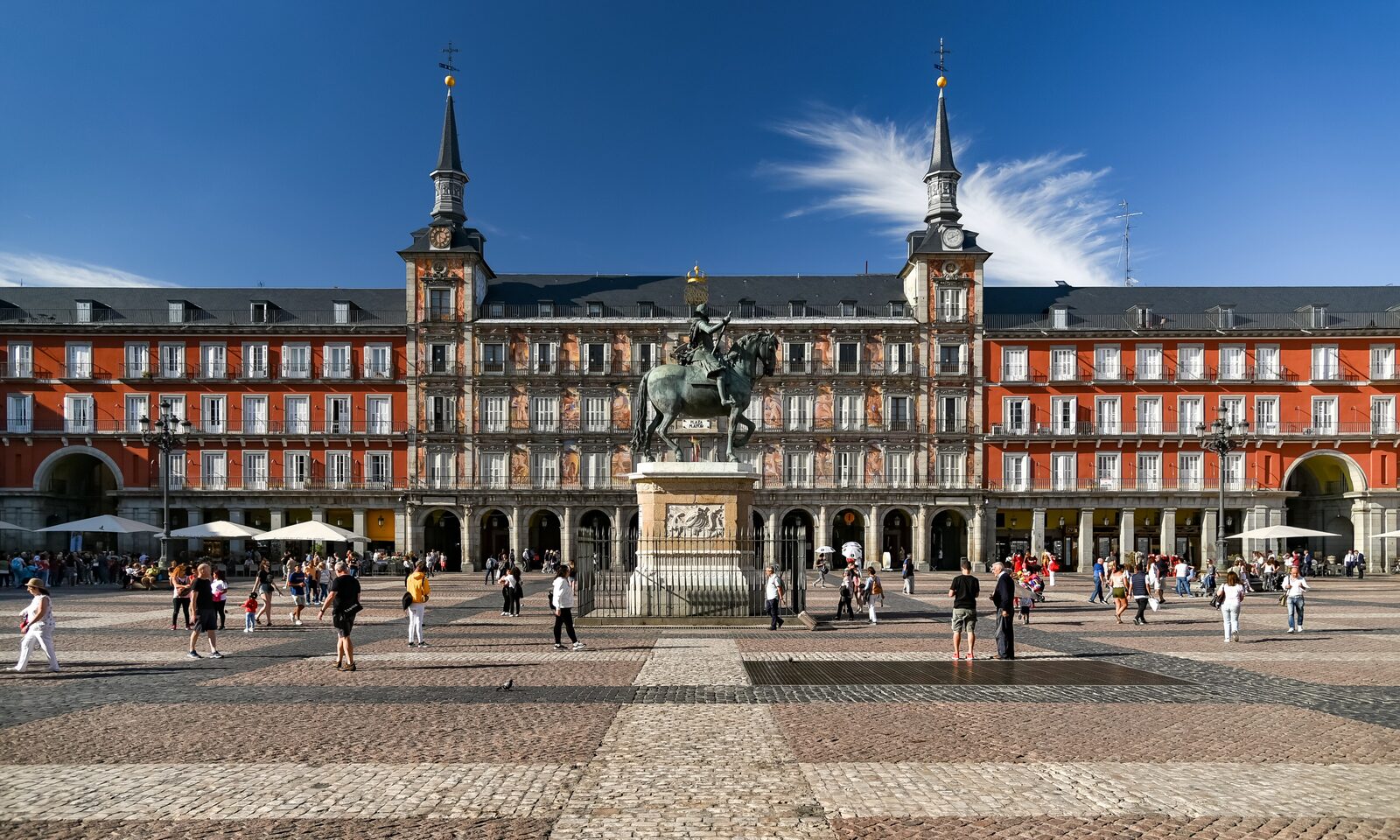
Erasmus Budget by City (2026): Monthly Cost Comparison
'How much will Erasmus cost me per month?' is the question that decides more destinations than any ranking of nightlife or academics. The honest answer is that it ranges from about €800 to €1,600 a month depending on the city — a gap of nearly €7,000 across a nine-month exchange, which is more than most Erasmus+ grants cover in total.
This guide breaks down realistic 2026 monthly student budgets for 27 European cities, split into accommodation, food, transport and leisure, so you can see not just which city is cheaper but where the money goes. Figures assume a shared flat, mostly cooking at home, a student transport pass and going out one to two times a week.
How these budgets are calculated
Every number below describes a typical exchange student, not the cheapest or the most comfortable possible life. Concretely, each monthly total assumes:
- A room in a shared flat, not a studio and not a private residence — private student residences typically add €150–350/month.
- Cooking at home most days, with two or three meals out per week.
- A student public-transport pass, which in most cities costs between €20 and €55.
- Going out one to two nights a week, plus everyday coffees, gym or sport and small purchases.
- Excluded: flights, the initial deposit, insurance, tuition at home, and weekend travel around Europe — budget €100–250/month extra if you plan to travel often.
Each city page on Erasmus City Finder shows the same figure as a range, because your own number depends heavily on the neighbourhood you land in and how early you start looking for housing.
Erasmus monthly budget comparison: all 27 cities
The full table, sorted from cheapest to most expensive. Click any city to open its full profile with ratings, housing notes and student quotes.
| City | Housing | Food | Transport | Leisure | Total |
|---|---|---|---|---|---|
| Wroclaw | €400 | €185 | €30 | €185 | €800 |
| Brno | €400 | €185 | €30 | €185 | €800 |
| Granada | €410 | €190 | €30 | €195 | €825 |
| Zagreb | €425 | €195 | €30 | €200 | €850 |
| Seville | €440 | €200 | €30 | €205 | €875 |
| Krakow | €440 | €200 | €30 | €205 | €875 |
| Warsaw | €450 | €205 | €30 | €215 | €900 |
| Ljubljana | €450 | €205 | €30 | €215 | €900 |
| Budapest | €460 | €215 | €30 | €220 | €925 |
| Padova | €475 | €220 | €35 | €220 | €950 |
| Valencia | €490 | €225 | €35 | €225 | €975 |
| Porto | €490 | €225 | €35 | €225 | €975 |
| Malaga | €500 | €230 | €35 | €235 | €1,000 |
| Ghent | €500 | €230 | €35 | €235 | €1,000 |
| Prague | €510 | €235 | €35 | €245 | €1,025 |
| Toulouse | €525 | €240 | €35 | €250 | €1,050 |
| Lisbon | €550 | €255 | €40 | €255 | €1,100 |
| Bologna | €575 | €265 | €40 | €270 | €1,150 |
| Florence | €575 | €265 | €40 | €270 | €1,150 |
| Vienna | €575 | €265 | €40 | €270 | €1,150 |
| Brussels | €575 | €265 | €40 | €270 | €1,150 |
| Rome | €600 | €275 | €40 | €285 | €1,200 |
| Berlin | €600 | €275 | €40 | €285 | €1,200 |
| Madrid | €610 | €280 | €45 | €290 | €1,225 |
| Barcelona | €650 | €300 | €45 | €305 | €1,300 |
| Amsterdam | €750 | €345 | €55 | €350 | €1,500 |
| Copenhagen | €800 | €370 | €55 | €375 | €1,600 |
The four budget tiers, and what life looks like in each
Under €900/month — Central Europe and inland Spain
Wroclaw, Brno, Granada, Zagreb, Seville and Krakow sit at the bottom of the table. Here an Erasmus+ grant plus a modest contribution from home genuinely covers everything, including weekly nights out and a couple of trips a semester. Rooms in shared flats start around €350–450, and a beer or coffee rarely passes €3.
€900–1,050/month — the sweet spot
Warsaw, Ljubljana, Budapest, Padova, Valencia, Porto, Malaga, Ghent and Prague offer the best balance between cost and quality of life. You get capital-city infrastructure, big international communities and coastal or riverside living without Western European rents.
€1,050–1,250/month — the big Western European names
Toulouse, Lisbon, Bologna, Florence, Vienna, Brussels, Rome, Berlin and Madrid require either a top-up from home or a part-time job. Housing is the whole story here — rents in Lisbon and Madrid have risen far faster than the price of food or transport, so your monthly number is decided almost entirely by the room you find.
€1,300+/month — Barcelona, Amsterdam, Copenhagen
Barcelona, Amsterdam and Copenhagen are outstanding destinations with real financial requirements. In Amsterdam and Copenhagen, housing scarcity — not price alone — is the risk: students who have not secured a room before arriving sometimes pay double or commute from another town. Only choose these if your funding is confirmed.
Where the money actually goes
Across every city in the table, the proportions are remarkably stable: roughly 50% housing, 23% food, 3–4% transport and 23% leisure. The practical consequence is that housing is the only line item worth optimising hard.
- Housing (~50%) — the difference between a €400 room in Krakow and an €800 room in Copenhagen is bigger than every other category combined.
- Food (~23%) — cooking at home instead of eating out four times a week saves €120–200 in any city on this list.
- Transport (~3–4%) — almost negligible everywhere thanks to student passes; in Ghent, Padova or Valencia a second-hand bike removes it entirely.
- Leisure (~23%) — the most elastic category, and the one that varies most between two students in the same city.
This is also why an expensive city is not automatically a bad choice: if your Erasmus+ grant is higher for a high-cost country and you find housing early, Vienna can end up cheaper in practice than a badly organised semester in Barcelona.
12 ways to cut your Erasmus budget without cutting the experience
- Start the housing search two to three months early. The single biggest saving available to you, worth €100–200/month.
- Take a room in a shared flat rather than a private residence. Cheaper, and better socially.
- Live one tram stop outside the historic centre. Usually 15–25% less rent for five extra minutes of commute.
- Never sign anything before viewing — remote scams targeting exchange students are common in Lisbon, Barcelona and Amsterdam.
- Get the student transport pass in week one; monthly passes are often half the standard price and some cities are free under 26.
- Eat the university canteen lunch. €3–6 for a full meal in Italy, Poland, Czechia and Austria.
- Shop at local markets late in the day rather than at supermarkets in tourist areas.
- Buy a second-hand bike in flat, cycling cities — it usually pays for itself in six weeks.
- Use ESN card discounts on trips, flights, gyms and bars; the card costs a few euros and pays back immediately.
- Book trips as a group and early. Erasmus travel is the biggest hidden line item — plan the semester's trips in October.
- Pre-drink like a local. In Spain and Portugal social life happens on squares and terraces, not in expensive clubs.
- Track spending for the first month. Most students overspend in September and then over-correct; a simple record fixes both.
Compare your shortlist before you decide
A budget table gives you the numbers, but the right destination is a trade-off between cost, nightlife, weather, housing difficulty and student life. Two tools make that trade-off explicit:
- Compare Cities — put any two cities side by side and see budgets, category ratings and student insights in one view.
- Find My Match — answer 7 questions about your priorities and budget, and get a ranked shortlist tailored to you.
Final thoughts
Erasmus in 2026 costs roughly €800 a month at the affordable end and €1,600 at the top, and the difference is driven almost entirely by rent. Before committing to a destination, check whether your Erasmus+ grant, savings and family support cover the housing figure for that city — everything else adapts.
Use the table above to build a shortlist within your range, then compare your two finalists in detail. A city you can comfortably afford will always give you a better exchange than a famous one you spend nine months worrying about.
Frequently asked questions
How much money do I need per month for Erasmus in 2026?
Between €800 and €1,600 per month depending on the city. Central European and inland Spanish cities such as Wroclaw, Brno, Granada and Krakow sit around €800–900, while Barcelona, Amsterdam and Copenhagen require €1,300–1,600.
What is the cheapest Erasmus city in 2026?
Wroclaw and Brno are the cheapest at roughly €800 per month all-in, followed closely by Granada at around €825 and Zagreb at €850. All four combine low rents with cheap food and nightlife.
Does the Erasmus+ grant cover the full cost of living?
Rarely on its own. Grants typically range from about €300 to €600 per month depending on the country group, which covers most costs in the cheapest cities but only half of a budget in Amsterdam or Copenhagen. Most students combine the grant with savings or family support.
What is the biggest Erasmus expense?
Accommodation, at around 50% of a typical monthly budget in every city. Food is about 23%, leisure 23% and transport only 3–4% thanks to student passes.
Is Erasmus cheaper in Eastern or Southern Europe?
Central and Eastern Europe is generally cheapest, with Poland, Czechia, Croatia and Hungary between €800 and €925 per month. Southern Europe is mixed: Granada and Seville are very affordable, while Barcelona, Madrid and Florence are among the more expensive options.
How much should I budget for travelling during Erasmus?
Add €100–250 per month on top of the figures in this guide if you plan to travel most weekends. Booking trips early as a group and using ESN card discounts keeps this closer to the lower end.